.png)
When Anxiety and ADHD Overlap in Children:
Comorbidity, Confusion, and What Clinicians Are Starting to Recognize.
Parents and clinicians often ask:
Is my child anxious? ADHD? Both?
And sometimes the more accurate answer is: yes — and it's complicated. This is an area where clinical understanding is evolving — and where the DSM may eventually catch up. | Anxiety and ADHD frequently overlap in children, especially in younger ones. But the relationship isn't just comorbidity. In many cases, there are developmental, neurological, and emotional pathways connecting the two. |


.png)

ADHD and Anxiety: Comorbid or Causal?
The short answer: Both are possible.
There are at least three common pathways where ADHD and anxiety overlap.


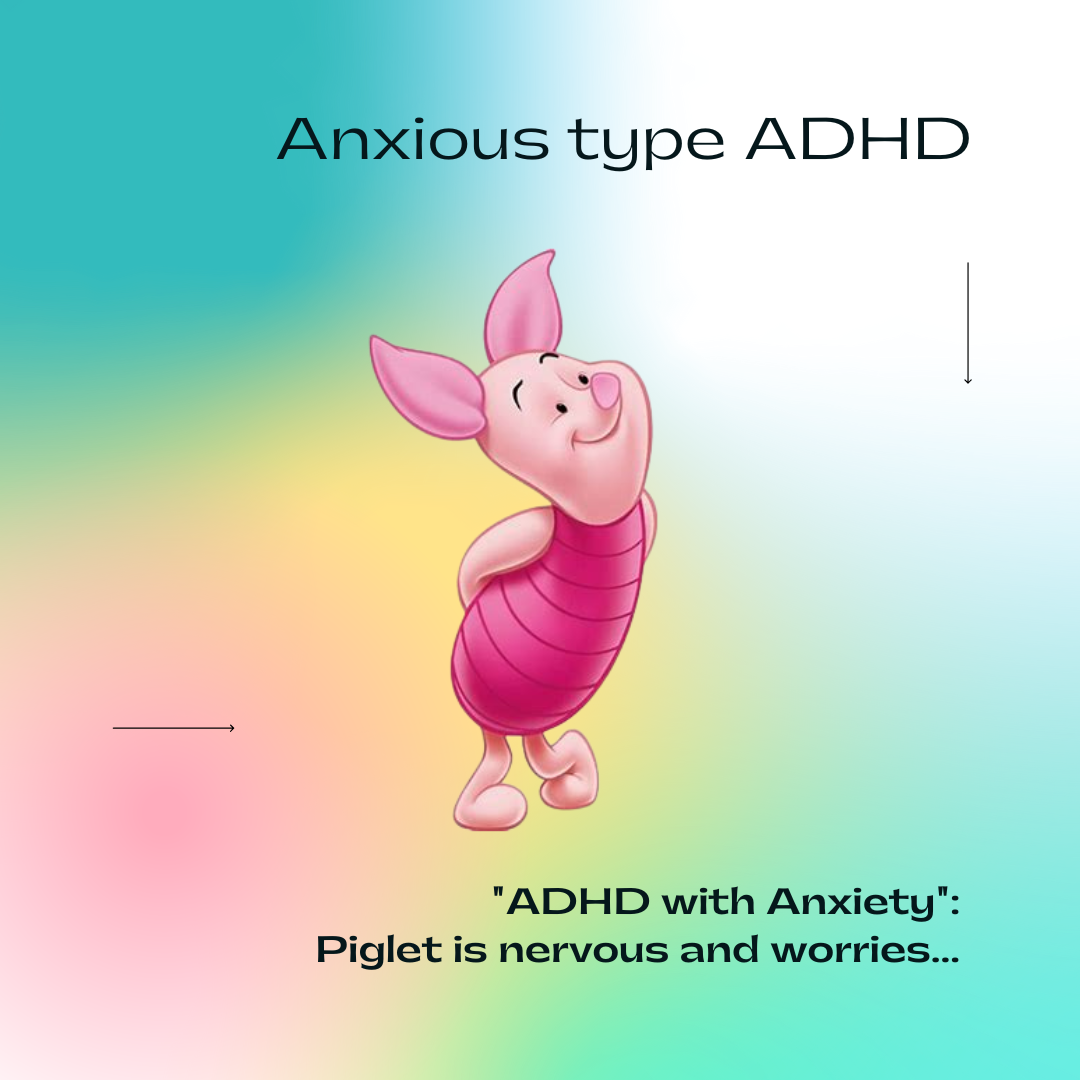
Pathway 1: ADHD Leads to Anxiety (Very Common)

A child with ADHD may:
| Over time, this creates:
|
This is sometimes called secondary anxiety — anxiety that develops as a result of ADHD struggles.
You might see:
| This pattern is especially common in:
|

These children often become anxious about disappointing others.


This is where things get confusing. Severe anxiety impairs executive functioning, including:
| This can look like:
But the underlying issue is anxiety, not ADHD. |
When the brain is focused on threat detection, executive functioning decreases. The child's mind is busy worrying, scanning, or anticipating.
In other words:
The child isn't distracted because they're bored — they're distracted because they're worried.


Pathway 3: Shared Neurobiology

Executive function differences
Emotional regulation challenges
Increased amygdala reactivity
Differences in frontostriatal circuits
Some researchers propose that ADHD may neurologically predispose children to anxiety, not just psychologically.
This helps explain why:
ADHD and anxiety frequently occur together
Emotional dysregulation is common in ADHD
Some children develop both early
Emotion Dysregulation and ADHD: The DSM Gap
One of the biggest debates in ADHD right now is emotion dysregulation.
Emotion dysregulation is:
Many clinicians see emotional dysregulation as central to ADHD, not just an associated feature. | This may include:
|
Russell Barkley and others have argued that ADHD is fundamentally a self-regulation disorder, not just an attention disorder.
.png)
This would include:
So why isn't it in the DSM? | There are a few reasons:
|
However, many clinicians already conceptualize ADHD as a self-regulation disorder that includes emotional regulation.

When Severe Anxiety Looks Like ADHD

This is especially important in young children. But the pattern is different. | Severe anxiety can look like ADHD, including:
|
Clues That It May Be Anxiety Instead of ADHD
1. Situational variability
.png) | 2. Situational consistency ADHD must be consistent across settings. .png) |

2. Undercontrol vs. Overcontrol
ADHD:
| Anxiety:
|

3. Cognitive "Freezing" Anxious children may:
This can look like inattention. | 4. Somatic Symptoms More common in anxiety:
|
5. Later Onset
If attention problems begin after stress or life changes, consider anxiety.
ADHD symptoms typically begin early in childhood, often in preschool.
When It's Both
Many children genuinely have both ADHD and anxiety.
These children may:
| Sometimes:
Both pathways can be true. |
These are often the most complex children — and also the ones who benefit most from careful assessment.
Anxiety in Young Children Can Look Like Hyperactivity
Young children with anxiety often appear:
| This is especially true in:
|
So anxiety can sometimes look like hyperactive ADHD, not just inattentive ADHD.
A Helpful Clinical Question
Ask yourself:
Is the child distracted because their brain is bored?
(ADHD)
Or distracted because their brain is worried?
(Anxiety)
Often, the answer is:
Both.
Where the Field Is Heading
Many clinicians now view ADHD as:
| As research evolves, we may see:
|
Until then, thoughtful clinical observation remains essential.
Final Thought
When children struggle with attention, it's important not to assume ADHD immediately — or dismiss ADHD when anxiety is present.
The overlap between anxiety and ADHD is common, complex, and clinically meaningful.
And understanding that overlap can lead to better support, better interventions, and better outcomes for children.
.png)


%20(1).png)
.png)


.png)


.png)


%20(1).png)


